Review: Best Dad Ever Camo Design for Embroidery
As a designer who spends more time staring at stitch maps than most people spend watching television, I approach every new machine embroidery design with a mix of optimism and skepticism. When I first pulled up the files for the Best Dad Ever – Camo T-Shirt Design, my immediate reaction was one of practical curiosity. This isn't just another generic text-based graphic; it is a thematic asset that bridges the gap between rugged outdoor aesthetics and sentimental family gifting. For those of us running a craft business or managing an Etsy seller account, finding designs that resonate with specific niches like hunting, military appreciation, or rustic fatherhood is gold. However, a pretty preview image on a screen is vastly different from what happens when the needle hits the fabric.
First Impressions and Visual Personality
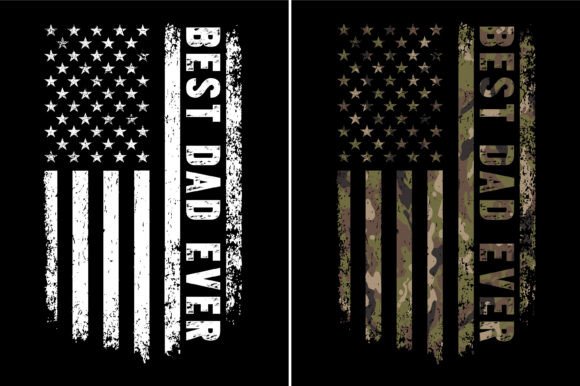
The visual personality of this Graphics asset leans heavily into the "tough but tender" vibe. The camouflage pattern integrated into the lettering or surrounding elements immediately sets a mood. It feels masculine without being aggressive, making it perfect for a personalized gift that acknowledges a dad's hobbies while celebrating his role in the family. From a layout perspective, the design appears balanced, likely utilizing a combination of fill stitch for the camo areas and potentially satin stitch for outlining or accent text to ensure readability.
What stands out most is its versatility within the Crafts category. While the title suggests a t-shirt, the composition feels robust enough for heavier items. The interplay of greens, browns, and earth tones typical of camo designs requires careful attention to thread colors. If you are planning to use this as a digital embroidery file for a client, you must consider how these colors translate to the specific thread brands your customers prefer. A design like this relies on contrast; if the camo blends too much with the garment color, the "Best Dad Ever" message gets lost.
Real-World Application: The Sweatshirt Scenario
To truly test the viability of this design, I imagined a real-life scenario: a custom order for a grandmother wanting a matching set for her son and grandsons for a weekend camping trip. She requested sweatshirt embroidery on heather grey fleece. This is where the rubber meets the road. Fleece is tricky; it has loft and stretch. If the stitch density of the camo fill is too high, the fabric will pucker, and the letters will look stiff and uncomfortable. Conversely, if the density is too low, the fleece fibers will poke through the stitches, ruining the crispness of the camouflage effect.
In this context, the Best Dad Ever – Camo T-Shirt Design shines if the digitizer has accounted for fabric pull. For a project like this, I would strongly recommend using a cut-away stabilizer rather than tear-away. The weight of the design, especially if it includes dense camo fills, needs permanent support to maintain its shape after multiple washes. When stitched correctly on a mid-weight sweatshirt, this design elevates a simple garment into a cherished handmade product. It transforms a standard retail item into a boutique-quality piece that tells a story.
Navigating Fabric Textures and Hoop Constraints
Not every surface is as forgiving as a cotton t-shirt or a fleece sweatshirt. If you intend to use this design on a tote bag design made of canvas, you are generally safe, provided your hoop size can accommodate the width of the text. Canvas loves embroidery, but it demands precision. However, caution is required when moving to textured fabrics like waffle knits or corduroy. The intricate details of a camouflage pattern can get lost in the texture of the fabric itself. In such cases, adding an underlay or even considering an applique design approach—where the camo is a fabric patch stitched down—might yield a cleaner finished product.
Curved surfaces present another challenge. Placing this on a cap or hat requires a different mindset. The center of the design might stitch out perfectly, but the edges of the lettering could distort due to the curvature of the crown. Before committing to a client's expensive structured cap, always run a test on a similar scrap piece. Check the small details. Does the tiny text holding the "Dad" title remain legible? Are there any tiny isolated stitches in the camo pattern that might snag or break during wear?
Commercial Viability and Brand Consistency
For small shop product creators, consistency is key to building trust. If you are selling this as part of a holiday collection for Father's Day, Memorial Day, or even a rustic-themed wedding party gift, the quality of the stitch-out directly reflects your brand. A messy camo fill looks unprofessional and can erode customer trust. On the other hand, a crisp, well-density-managed stitch creates high perceived value. Customers are willing to pay a premium for custom apparel that looks like it came from a high-end decorator rather than a home hobbyist.
This design also works exceptionally well for printable mockup creation. Because the theme is so distinct, it allows you to create compelling marketing images for your online store without needing to stitch every single sample immediately. You can visualize the design on dark flannels, olive drab jackets, or khaki aprons to show potential buyers the range of possibilities. This helps in buyer engagement, as customers can instantly see how the embroidery project fits their specific style.
Critical Designer Notes for Success
Before you list this item or stitch it for a paying client, there are several technical boxes to check. First, verify the file formats included. The description mentions receiving the design in specific formats, but always confirm compatibility with your specific machine brand. Second, pay close attention to the licensing terms. Since this falls under commercial embroidery potential, ensure you have the rights to sell finished physical goods versus digital redistribution.
- Test on Scrap: Never skip the test stitch. Use the exact fabric and stabilizer combination you plan to use for the final item.
- Check Contrast: View your design in black and white on your screen. If the camo elements disappear into the background text in grayscale, they will likely lack definition when stitched.
- Density Review: Inspect the stitch count relative to the size. High density on stretchy fabric is a recipe for disaster.
- Thread Selection: Don't rely solely on default color charts. Hand-select thread shades that offer genuine contrast against your chosen garment color.
- Wash Testing: Stitch a sample, wash it three times, and dry it. Check for puckering, thread breaks, or color bleeding.
Ultimately, the Best Dad Ever – Camo T-Shirt Design is a strong contender for anyone looking to expand their catalog of masculine, family-oriented designs. It taps into a timeless aesthetic that appeals to a broad demographic of fathers, grandfathers, and uncles. Whether you are creating a one-off baby embroidery gift for a new daddy or stocking up inventory for a craft fair, this design offers solid potential. Just remember that the difference between a good design and a great product lies in the execution. Respect the fabric, choose your stabilizer wisely, and let the craftsmanship speak for itself.